.png)


Life on the Kuskokwim River is shaped by strong cultural traditions, deep family connections, and a meaningful relationship with the land. For generations, Yup’ik communities have relied on the river, tundra, forests, and seasons not only for food and survival, but also for healing, learning, and teaching important values. These traditions continue today across the Kuspuk School District, where families practice subsistence activities, share cultural stories, and pass knowledge from elders to youth.
This section honors the cultural strengths of the Kuskokwim region by highlighting key aspects of traditional life. As the seasons change, so do the activities: gathering, harvesting, traveling, fishing, sewing, storytelling, and caring for community. These teachings shape daily life and help students understand the land and their place within it.
Below you will find a growing collection of cultural topics. More subsections will be added over time as we continue learning from and celebrating the wisdom shared by our elders, families, and community members.
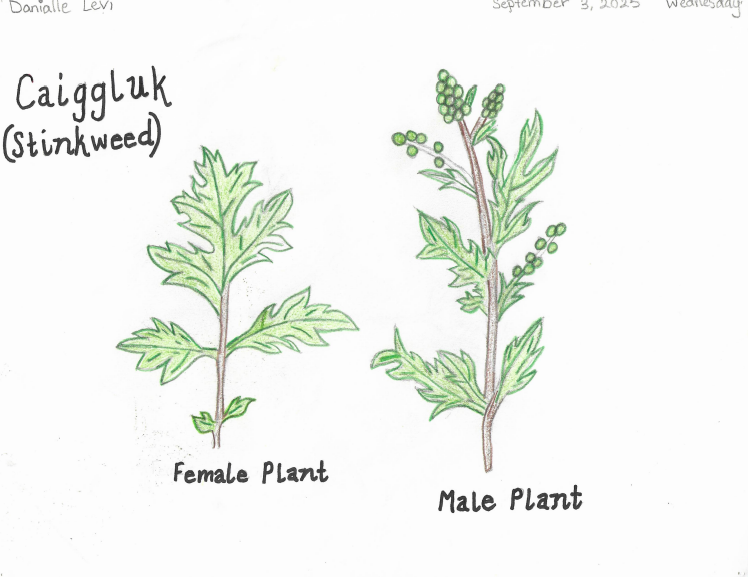
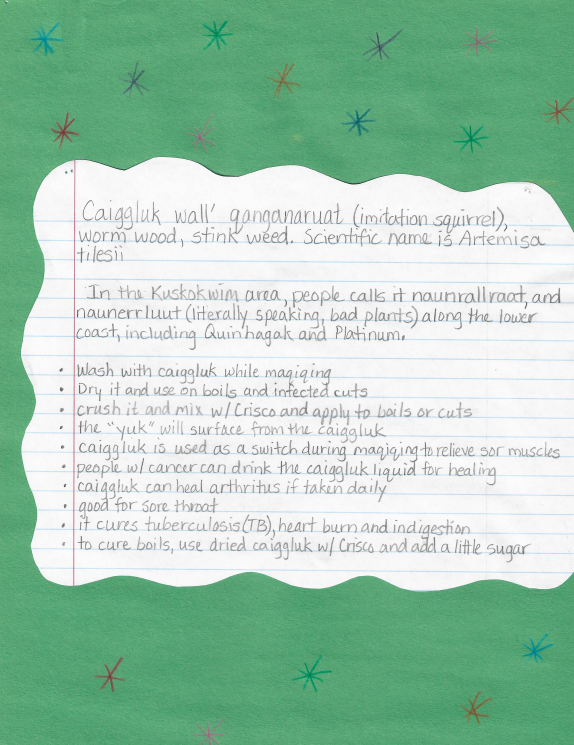
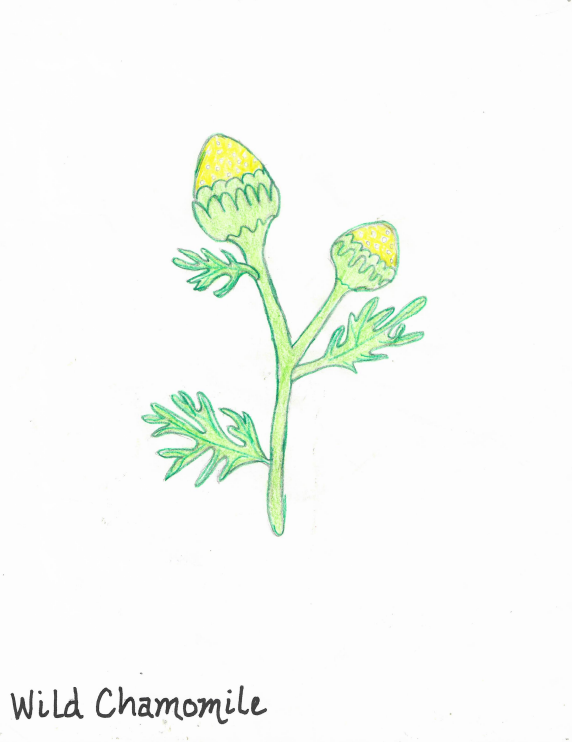
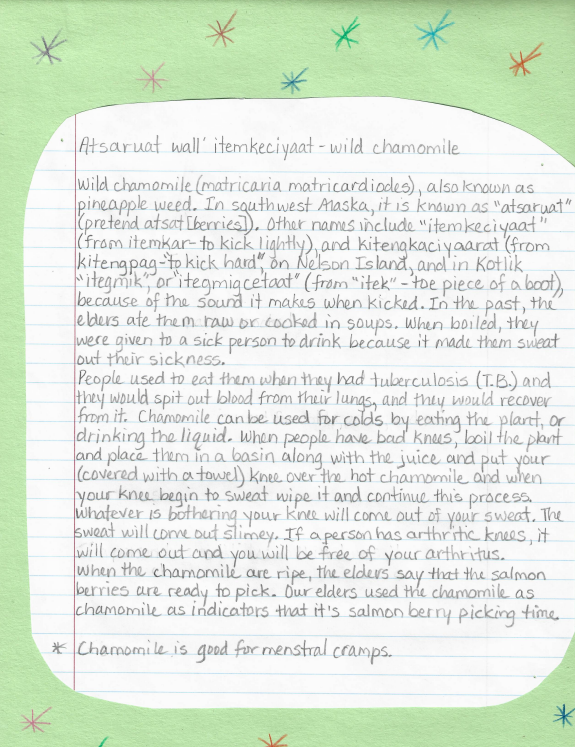
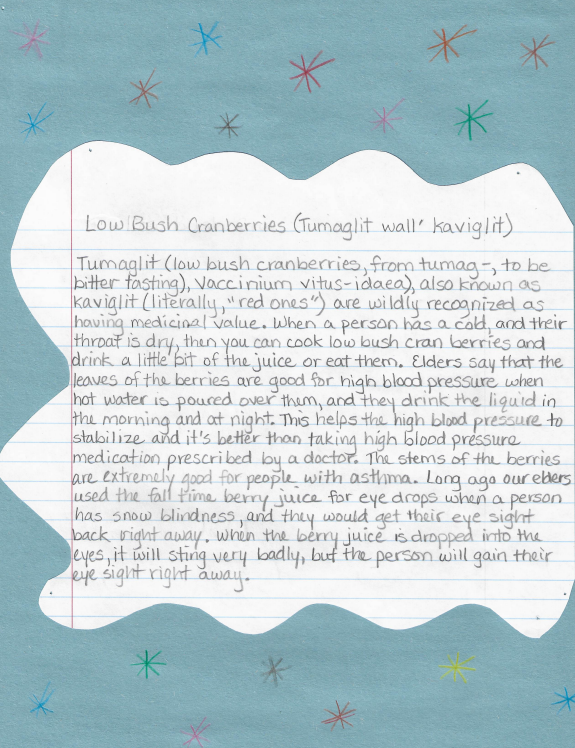
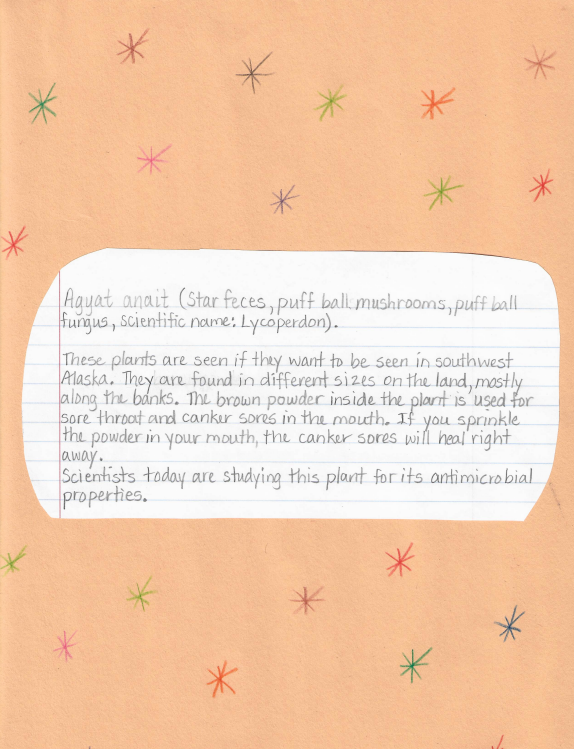
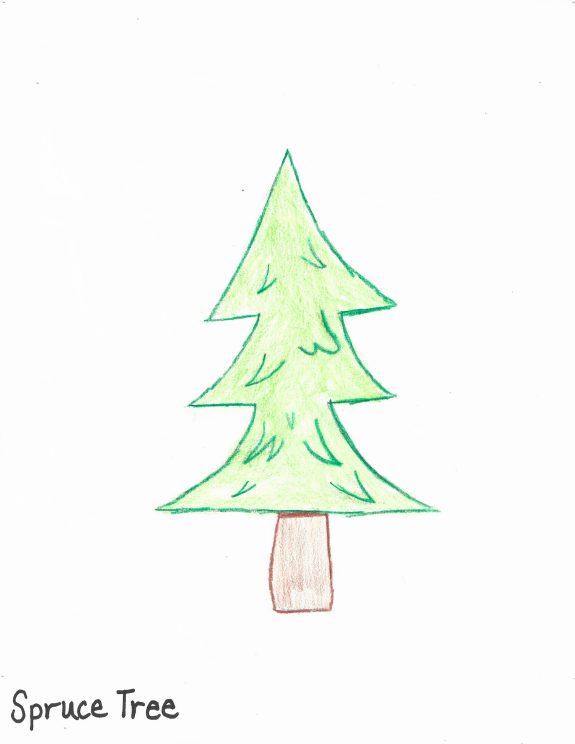
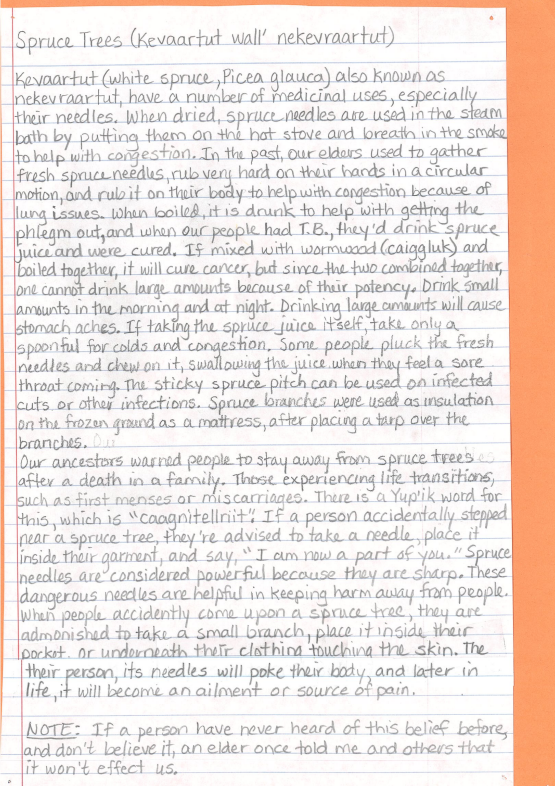
Plants play an important role in Yup’ik life. Many local plants are used for food, healing, and everyday well-being. The traditional knowledge surrounding these plants has been passed down for generations through careful observation, seasonal timing, and teachings from elders.
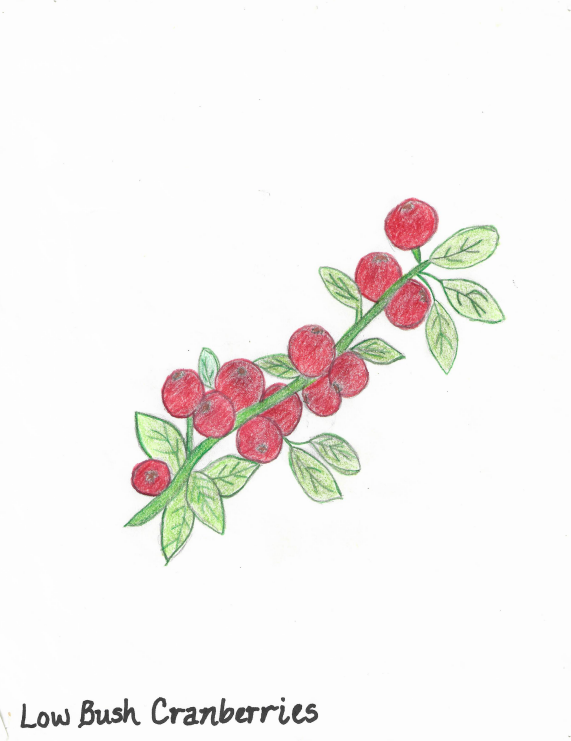
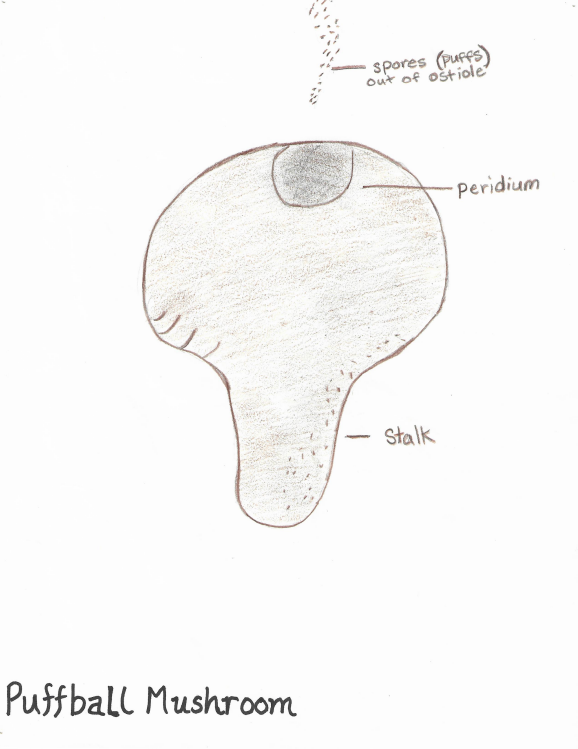
The sample illustrations and descriptions shared by students and community members highlight traditional uses of several well-known plants in the region:
These plants reflect only a portion of the deep traditional ecological knowledge present in Yup’ik culture. As students learn about the land—through school activities, community events, and family teachings—they gain a deeper understanding of the environment and the responsibilities that come with living in the Kuskokwim region.
More cultural topics—such as fish camps, berry harvesting, river travel, carving, sewing, seasonal cycles, and food preservation—will be added in future subsections to support new teachers, families, and visitors in understanding life in our communities.